1. Improve Your Home’s Insulation
Good insulation helps maintain a more consistent indoor temperature by reducing unwanted heat transfer. In warmer climates, it can help keep heat outside, while in colder conditions it helps retain indoor warmth.
Check areas such as the roof, attic, walls, and floors for insufficient or damaged insulation. Sealing gaps around building openings can also reduce unwanted air leakage. The U.S. Department of Energy recommends combining air sealing with adequate insulation as an effective way to reduce energy waste.
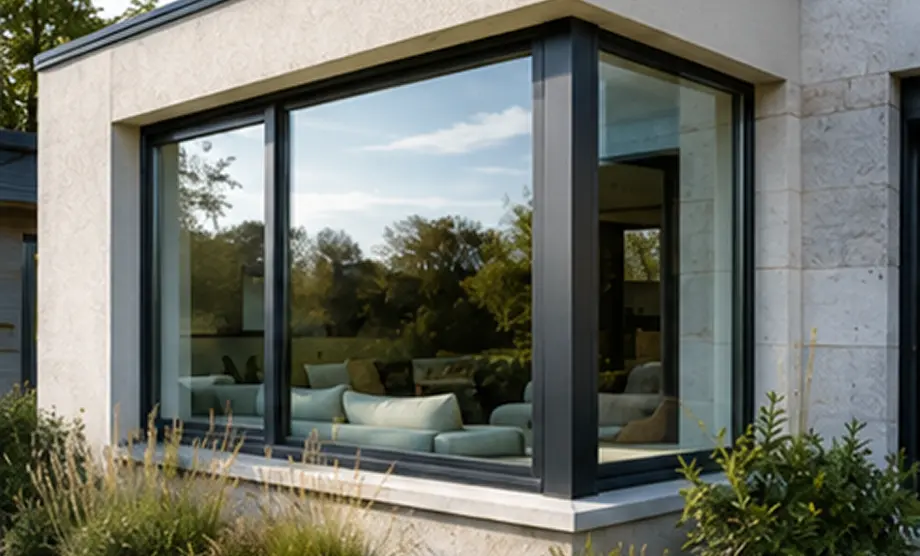
2. Upgrade Your Windows and Doors
Windows and doors can have a significant impact on your home’s energy performance. Older or poorly sealed units may allow unwanted heat transfer and drafts, making heating and cooling systems work harder.
Consider upgrading to energy-efficient windows and doors with effective sealing and appropriate glazing for your climate. Weatherstripping around existing windows and doors can also help reduce air leakage without requiring a complete replacement.
For homes in warmer climates, shading solutions such as blinds, shutters, and external shading can further reduce unwanted solar heat gain.
3. Choose Energy-Efficient Appliances and Lighting
Household appliances and lighting contribute significantly to overall energy consumption. When replacing older appliances, look for models with strong energy-efficiency ratings and compare their expected operating costs.
Lighting is another easy area to improve. Replacing traditional bulbs with LED lighting can significantly reduce electricity consumption while providing long-lasting illumination.
You can also reduce unnecessary energy use by switching off appliances when they are not needed and avoiding standby power where practical.
4. Make Heating and Cooling More Efficient
Heating and cooling can account for a large share of household energy use, so improving the efficiency of these systems can make a noticeable difference.
Start by maintaining air-conditioning, heating, and ventilation equipment regularly. Clean or replace filters when required and make sure the system is operating correctly.
You can also reduce energy use by cooling or heating only the rooms you are using and adjusting temperature settings appropriately. In warmer climates, combining efficient cooling with shading, insulation, natural airflow, and fans can reduce the demand placed on air-conditioning systems.
5. Improve Ventilation and Control Air Leakage
Energy efficiency isn’t just about keeping air inside your home. Your home also needs controlled ventilation to maintain good indoor air quality and manage moisture.
Seal unwanted gaps around windows, doors, walls, and service penetrations to prevent uncontrolled air leakage. At the same time, make sure kitchens, bathrooms, and other areas have appropriate ventilation.
A well-sealed home should still have adequate ventilation to remove moisture, odours, and indoor pollutants.
Make Your Home More Efficient, One Step at a Time
Improving energy efficiency doesn’t have to happen all at once. Start with simple measures such as sealing gaps, improving insulation, upgrading lighting, and maintaining your heating and cooling systems. When it’s time for a larger renovation, consider energy-efficient windows and doors as part of the overall design.
The result can be a home that is more comfortable, uses energy more effectively, and reduces unnecessary energy waste.